
How to write email subject lines people actually open
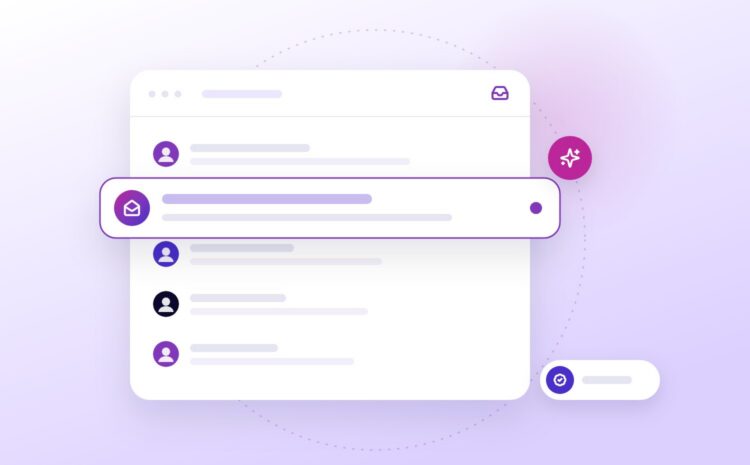
Your subscriber sees three things before deciding whether to open your email: who it’s from, the subject line and a line of preview text. You can’t do much about the first in a single campaign, but the other two you write every time. Here are eight habits that make them work harder.
1. Say what’s inside
The best subject lines are specific. “October newsletter” tells the reader nothing; “New autumn menu: five dishes to try this week” tells them exactly why to open. If you can’t sum up the email in one line, the email may be trying to do too much.
2. Put the important words first
Phones show only the start of a subject line, so lead with the part that matters. “20% off all running shoes until Sunday” works better than “This weekend only, we’re offering 20% off all running shoes”.
3. Use the preview text
The preview text (sometimes called the preheader) is the grey line shown after or under the subject. If you leave it empty, the inbox fills it with the first words of your email, often “View this email in your browser”. Use it to add a second reason to open, rather than repeating the subject.
4. Write like a person
Subject lines in capitals, with three exclamation marks or words like “FREE!!!”, look like spam to readers and to spam filters. Write the way you would in an email to a single customer.
5. Make it about the reader
“We’ve launched a new service” is about you. “Get your website ready for the summer season” is about them. Lead with the benefit, and use “you” more than “we”.
6. Only use urgency when it’s real
“Last chance” works when it really is the last chance. Use it every week and people stop believing it, and they start ignoring the emails that are genuinely urgent.
7. Personalise with care
A first name in the subject line can help, but only if your data is clean. “Hi {FNAME}” or a misspelled name does more harm than no name at all. Personalising the content, such as a product someone looked at or the town they live in, is often more useful than adding a name.
8. Test, then keep what works
Most email tools can send two subject lines to a small part of your list and then send the winner to everyone else. Test one thing at a time (the length, a question against a statement, with or without a number) and keep a note of the results. Within a few months you’ll know what your own readers respond to, which is worth more than any general rule.
A good subject line makes a promise. A good email keeps it.
A quick before and after
- “Spring update” becomes “Three changes to our opening hours from April”.
- “Don’t miss out!!!” becomes “Your 10% loyalty discount ends on Friday”.
- “New blog post” becomes “How we cut a client’s ad costs without losing leads”.
Need help with your campaigns?
We write and test subject lines, emails and automated series as part of our email marketing service. Get in touch to talk about your next campaign.


Write a Comment