
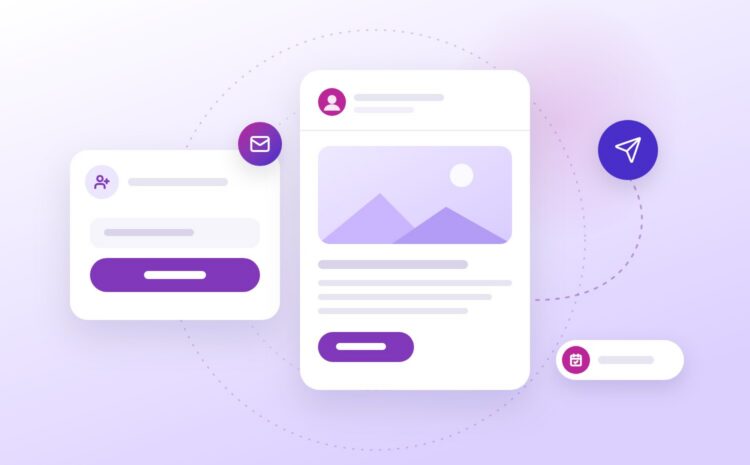
Email marketing for small businesses: a simple plan to start
Social platforms change their rules, and ad prices go up and down. Your email list is different: it belongs to you, and everyone on it has already shown an interest in what you do. For a small business, that makes email one of the most dependable ways to turn interest into sales.
You don’t need a huge list or an expensive tool to start. You need permission, a reason for people to stay subscribed and a little consistency. Here is a simple plan.
1. Start with permission
In the EU, you generally need clear consent before sending marketing emails (there is a limited exception for existing customers who bought something similar from you). Put a short sign-up form on your website and in your shop, explain what people will receive and how often, and never pre-tick the box. Every email you send needs a working unsubscribe link.
Don’t buy or rent lists. Apart from the legal risk, people who never asked to hear from you don’t open, they mark you as spam, and that hurts delivery to everyone else on your list.
2. Give people a reason to sign up
“Subscribe to our newsletter” is not much of an offer. Tell people what’s in it for them:
- a useful guide or checklist related to what you sell;
- early access to new products, menus or dates;
- a first-order discount or a free consultation;
- tips they can use, sent once a month.
3. Send a welcome email first
New subscribers are at their most interested right after they sign up, so set up an automatic welcome email before you plan anything else. Thank them, deliver what you promised, say what they’ll get from you and how often, and give them one clear next step, such as a link to your best-selling service.
If you have more to say, turn it into a short series of two or three emails spread over a couple of weeks.
4. Choose a rhythm you can keep
Pick one or two kinds of email you can keep up without strain: a monthly newsletter, seasonal offers, or updates for existing customers. A steady monthly email beats a burst of weekly ones that stops after six weeks.
5. Write every email for one reader
- Give it a subject line that says what’s inside (we cover that in how to write subject lines people open).
- Keep to one main message and one main button.
- Write the way you’d speak to a customer, and sign it with a real name.
- Most people read email on their phone, so use short paragraphs and big buttons, and send yourself a test before every campaign.
The job of an email is not to be opened. It’s to move the reader one step closer to buying.
6. Keep your list healthy
Split your list into groups that need different messages, such as customers and prospects. Before you remove people who haven’t opened anything in a long time, send them one email asking if they still want to hear from you.
Make sure your domain is set up to send email properly (SPF, DKIM and DMARC records). The big inbox providers check these, and without them your emails are more likely to land in spam.
7. Measure what matters
Open rates have become unreliable, because some email apps open messages automatically for privacy reasons. Pay more attention to clicks, replies, sales and unsubscribes, and compare each email with your own previous results rather than with industry averages.
Want a hand?
Our email marketing team can set up your sign-up forms, welcome series and newsletter templates, and report on what each email brings in. Tell us about your business and we’ll suggest where to start.
Write a Comment